

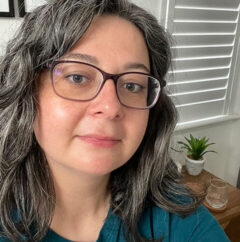
Photograph from 2016.
Invisible Illness Awareness
With these illnesses, how someone looks on the outside doesn’t necessarily reflect the severity of their symptoms. This can lead to comments such as, “but you don’t look sick” or “you look well“, which couldn’t be further from the truth.
The problem with comments like these– and judging invisible illnesses by looks alone– is that it invalidates how the person is truly feeling.
The truth is invisible illnesses like Fibromyalgia, M.E and chronic Lyme disease can be severely debilitating. They can impact every minute of someone’s day and the choices they have to make.
Imagine living in constant pain and feeling the exhaustion of the flu day-in-day-out. Not knowing if you are going to be able to manage daily living tasks, let alone anything else.
That’s just the tip of the iceberg. Yet, invisible illnesses continue to be misunderstood or not taken seriously.
Young People and Chronic Illness/Disability
I think this is a problem that is further compounded by age. Too many hold the misconception that illness and disability are somehow reserved for the older generations.
The reality is that illness does not discriminate.
Many young people with chronic illness rely on mobility aids and care to help them live as well as possible.
My Experience
Personally, before my health improved, I often relied upon the care of my husband and parents and used a mobility scooter or a wheelchair when I went out.
I was an ambulatory wheelchair user. Meaning I could get up and out of my chair, walk short distances and I could personally manage a few steps.
However, if I was to walk longer distances I’d suffer from increased pain, feel incredibly ill and experience post-exertion malaise that could put me in bed for days.
My wheelchair and scooter were so important in helping me to participate more in life without it being to the detriment of my health.
Worrying About What Others Thought
Yet it took me a long time for me to feel confident enough to purchase one. This is because I was worried that I shouldn’t be using a mobility aid.
Was I sick enough? Was I justified in using one?
Unfortunately, I knew that society can be judgemental and this led to these fears and anxieties.
Thankfully, I did eventually overcome these feelings and I purchased my mobility scooter.
Despite it being the best thing for my health at the time, I had many looks and stares from people whenever I went out in my chair/scooter. I think this was because I didn’t look outwardly sick and because I would often get out of it.
I know that there are many young people who have had it worse and have been confronted with nasty comments etc.
Unfortunately, too many people still wrongly believe that mobility aids are reserved for people who are non-ambulatory or elderly.
Welbeing’s Campaign
All of this is the reason why Welbeing, one of the UK’s largest telecare organisations, is campaigning to raise invisible illness awareness.
Welbeing provides services to over 75,000 users. One of these services being personal alarm systems.
Welbeing is finding that personal alarms are typically seen as something associated with the elderly. However, they want to highlight that they can be invaluable to young persons living with chronic illness/disability too.
Personal Alarms Can Help Young People Too

Having a personal alarm can offer a sense of security that alleviates the anxiety of being home alone.
It’s something that never even crossed my mind as being available to me when I was sick. And, I can’t help but wonder how many young people could benefit but don’t know it’s a service that’s available to them?
There were many times when my health was poorer where I chose not to do something because I was home alone (e.g. going for a bath). I’d wait until my husband was home because it made me feel safer.
Yet, it wasn’t always the best or most suitable time for me (in terms of how much energy I had). I can’t help but wonder if I would have been that bit more independent if I had the security of a personal alarm.
I felt passionate about helping Welbeing raise invisible illness awareness and to share the services they have available.
Their campaign is called “Making the Invisible, Visible”.
The more we talk about the reality of chronic illness, hopefully, the more people will understand and empathise with what it is like to live with them. With that, I hope to see an increase in access to services that could help make a positive difference to someone’s life.
LEARN MORE ABOUT WELBEING
- Visit Welbeing’s website
- Follow Welbeing on Facebook and Twitter.
Would you consider using a personal alarm? Is it something you think would help you live better with chronic illness? I’d love to hear your thoughts in the comments below.
Share on Pinterest:

Stuggling with this right now! I’m really fighting with the thought of needing a chair/scooter – obviously (in my head), I am not ‘really’ this disabled! – until I go out for 2 hours and spend 4 days recovering – you get me right? arghhh – Looking good on your wheels
Hi Jorja, I am sorry you are struggling. I can so empathise with your thoughts. I’ve written a couple of posts on this topic, in case they are of any help:
Choosing To Use A Wheelchair When You Have Fibromyalgia
Should I use a wheelchair or mobility scooter for fibromyalgia and/or ME/CFS?